Why Studying More Hours Doesn’t Improve Results

Comparison of long study hours versus focused study methods.

Students believe that studying more hours should lead to better results. The logic seems obvious: more time with the material means more learning. This belief drives students to extend study sessions from three hours to five, then from five to eight. What actually happens is different. The increased time often replaces effective learning with repetition. … Read more

Why Memorization Without Understanding Fails

Illustration comparing memorization-based studying with understanding-based studying.

Students rely on memorization without understanding because it feels safe and efficient. As exams approach, repeating information seems like the fastest preparation method. Rereading notes and textbooks creates familiarity, which is often mistaken for knowledge. This approach fails because it produces shallow learning. Memorized information is stored without structure or meaning. Students can recall phrases … Read more

Why You Can’t Recall Information During Exams

Student unable to recall studied information during an exam.

Most students study by reading notes, highlighting textbooks, and reviewing material multiple times before exams. These methods feel productive and create a sense of preparation. The content feels familiar. Understanding seems solid. Then the exam begins, and recall fails. Information that felt accessible during study becomes unreachable during the test. Answers feel partially formed but … Read more

Why Students Confuse Familiarity With Understanding

Illustration showing the difference between rereading notes and recalling information from memory.

Students rely on rereading notes, highlighting key points, and watching explanations multiple times because these methods feel efficient. They require less time and create a sense of progress. When material looks familiar during review, students assume they have learned it. The problem is that ease and recognition are not the same as understanding. Recognition happens … Read more

Why Passive Studying Leads to Poor Retention

Student using passive studying methods and failing to retain information

Most students spend hours reviewing notes, rereading textbooks, and watching recorded lectures. These activities consume time and require attention. The problem is that they fail to build the kind of memory required for exams or practical application. Passive studying includes rereading notes multiple times, watching lectures without pausing to recall information, and highlighting text without … Read more

Why Beginners Struggle to Learn New Skills

Beginner watching a tutorial but unable to apply the skill independently

Most beginners rely on tutorials, guides, and instructional videos when learning a new skill. These methods feel productive because they deliver clear explanations and organized information. Progress seems visible while watching or reading. This approach fails because it creates familiarity without ability. Beginners confuse exposure to information with actual learning. They spend hours consuming content … Read more

Why Self-Study Fails Without Structure

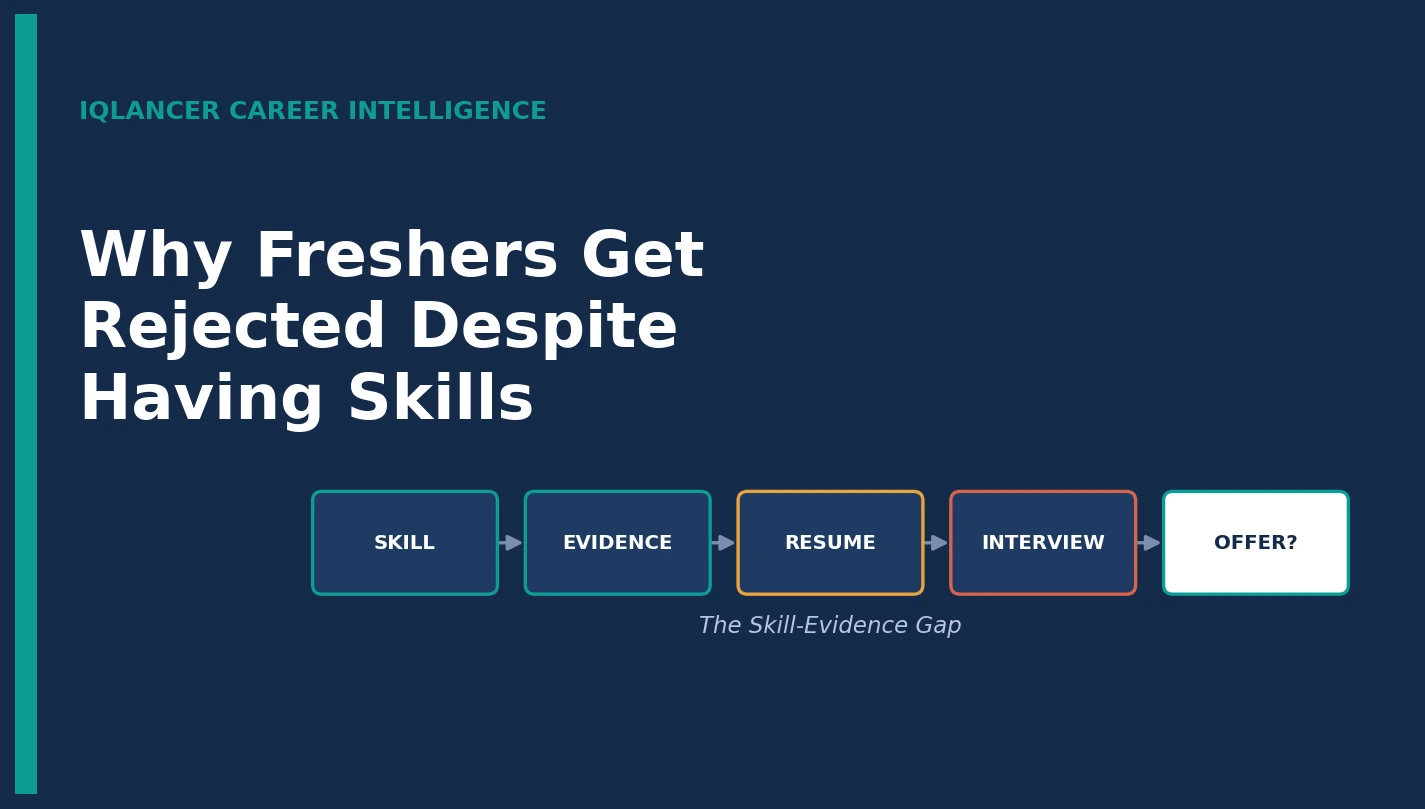
Diagram showing study effort failing to turn into lasting learning due to missing structure.

Students choose self-study when classrooms feel too slow or when formal instruction is unavailable. The method appears efficient. You set your own schedule, choose your own materials, and work at your own speed. But most self-study attempts fail. Students spend hours reading, watching videos, and taking notes, then perform poorly on tests or forget everything … Read more

Why Learning Feels Easy but Doesn’t Stick

Illustration showing a student confident while reading notes but unable to recall information later.

Students choose study methods that feel smooth and comfortable. Reading notes feels productive. Highlighting key points feels useful. Watching explanations feels like progress. These methods create confidence during study sessions. The material seems clear. The concepts make sense. Everything feels familiar. Then exams arrive. The confidence disappears. Facts that seemed obvious become hard to recall. … Read more

Why Study Summaries Miss Key Points (And How to Fix Them)

Why study summaries fail and how better study methods improve understanding

Many students create summaries to prepare for exams. They read textbooks, watch lectures, and write down key information in shorter form. This method feels productive and organized. However, most students later realize they cannot recall important details. They struggle during tests. They forget concepts they thought they understood. Understanding why this happens is crucial if … Read more