
Most students blame their focus problems on laziness, phones, or weak discipline. They believe that if they could just resist distractions, concentration would follow naturally. This leads to long study sessions where they sit with their books open but feel mentally absent. The material passes in front of their eyes, but nothing stays in their mind.
Removing distractions alone does not solve concentration problems. Students who study in quiet libraries still experience attention collapse. They still reread the same paragraph multiple times without understanding it. They still finish a study session unable to explain what they just reviewed.
The real failure is not about discipline. It is about trying to focus without understanding how focus works during learning. Concentration is not something you force. It is something that results from how you structure your study tasks. This article explains why students can’t focus while studying, what causes attention to break down, and what methods actually restore concentration during learning.
The Real Problem Behind Concentration Problems While Studying
The actual failure is not motivation. It is task design. Attention collapses during learning tasks that do not require active thinking. Students can sit quietly with their notes for an hour and still make no progress because the study method itself does not engage their focus.
This explains why concentration breaks even in quiet environments. The problem is not external noise. It is that the brain has nothing specific to do. When a study task has no clear mental demand, attention drifts automatically.
Students treat focus as something they need to summon through effort. But focus is a result of structured thinking. When the learning task has a clear objective and requires active processing, concentration follows naturally. When the task is vague or passive, no amount of willpower can maintain attention.
The issue is cognitive load and structure, not self-control.
Why Students Can’t Focus While Studying
Several specific causes prevent students from maintaining concentration during study sessions. These causes are structural, not personal. They depend on how the study task is structured, not on the student’s level of motivation.
Studying Without a Clear Objective
Vague goals like “study chapter 3” or “review biology notes” give the brain no direction. The student opens the material but has no specific outcome to work toward. Without a clear target, the brain cannot prioritize what to process.
This lack of focus happens because attention requires a purpose. When there is no defined task, the mind defaults to scanning without thinking. The student moves through the material but does not engage with it. Attention drifts because there is nothing for it to lock onto.
Passive Study Methods That Require No Thinking
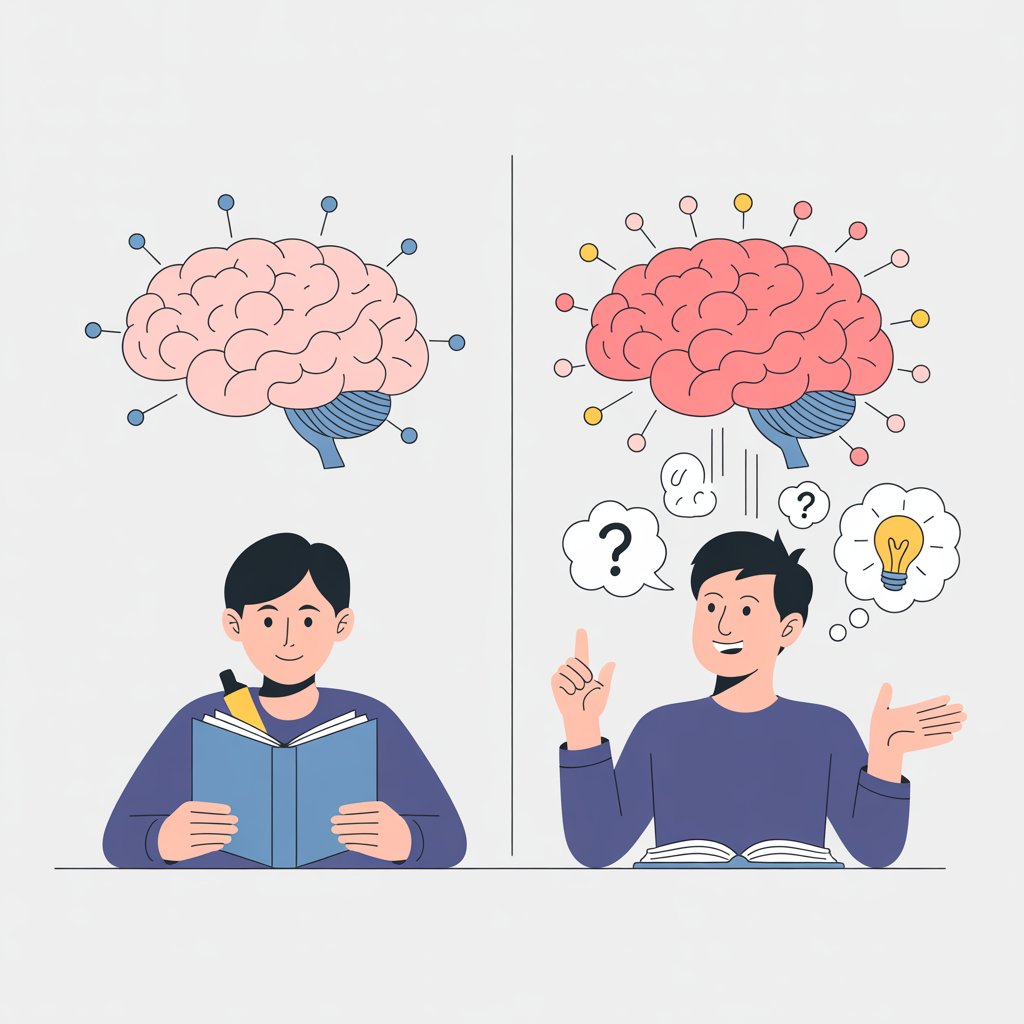
Rereading and highlighting are common study methods. They feel productive because the student is doing something with the material. But these methods require almost no cognitive effort. The brain can perform them while barely paying attention.
Low cognitive demand causes mind wandering. When a task does not challenge thinking, the brain disengages. The student can highlight entire pages while thinking about something completely unrelated. This creates an illusion of focus. The student believes they are studying because they are busy, but no learning is happening.
This pattern is closely related to why passive studying leads to poor retention, where the brain stays busy but never truly engages with the material.
Cognitive Overload From Poor Structure
Some students try to process too much information at once. They open a textbook chapter and attempt to absorb everything in one session. They do not filter, chunk, or organize the material before studying it.
This overload drains attention quickly. When the brain receives more information than it can handle, it shuts down instead of processing. The student feels overwhelmed and loses the ability to concentrate. Focus collapses because the task exceeds cognitive capacity.
Switching Tasks Inside a Study Session
Many students switch between different activities during study time. They read notes, then check a video, then answer a message, then return to reading. Each switch leaves behind attention residue. The brain does not fully transition from one task to the next.
This creates a state of partial attention. The student is never fully focused on any single task. Even when they return to studying, part of their mind is still processing the previous activity. Switching becomes the default mode, and deep concentration becomes impossible.
What Happens When You Keep Studying Without Focus
Students who continue using methods that break concentration experience specific consequences. These consequences show up during exams and in their overall learning progress.
Poor recall is the most common result. When students study without focus, the material does not transfer to long-term memory. They recognize content when they see it again but cannot retrieve it independently. During exams, they struggle to remember information they spent hours reviewing.
This false sense of progress is explained further in why learning feels easy but doesn’t stick, even when study sessions feel smooth and productive.
Another consequence is the inability to explain concepts clearly. Students who never engaged deeply with the material cannot describe it in their own words. They rely on memorized phrases and cannot answer questions that require understanding.
Longer study time with minimal improvement is also typical. Students spend more hours studying but see no change in their grades or comprehension. They confuse time spent with learning progress. The lack of focus means the hours produce no actual learning.
How to Fix Focus While Studying
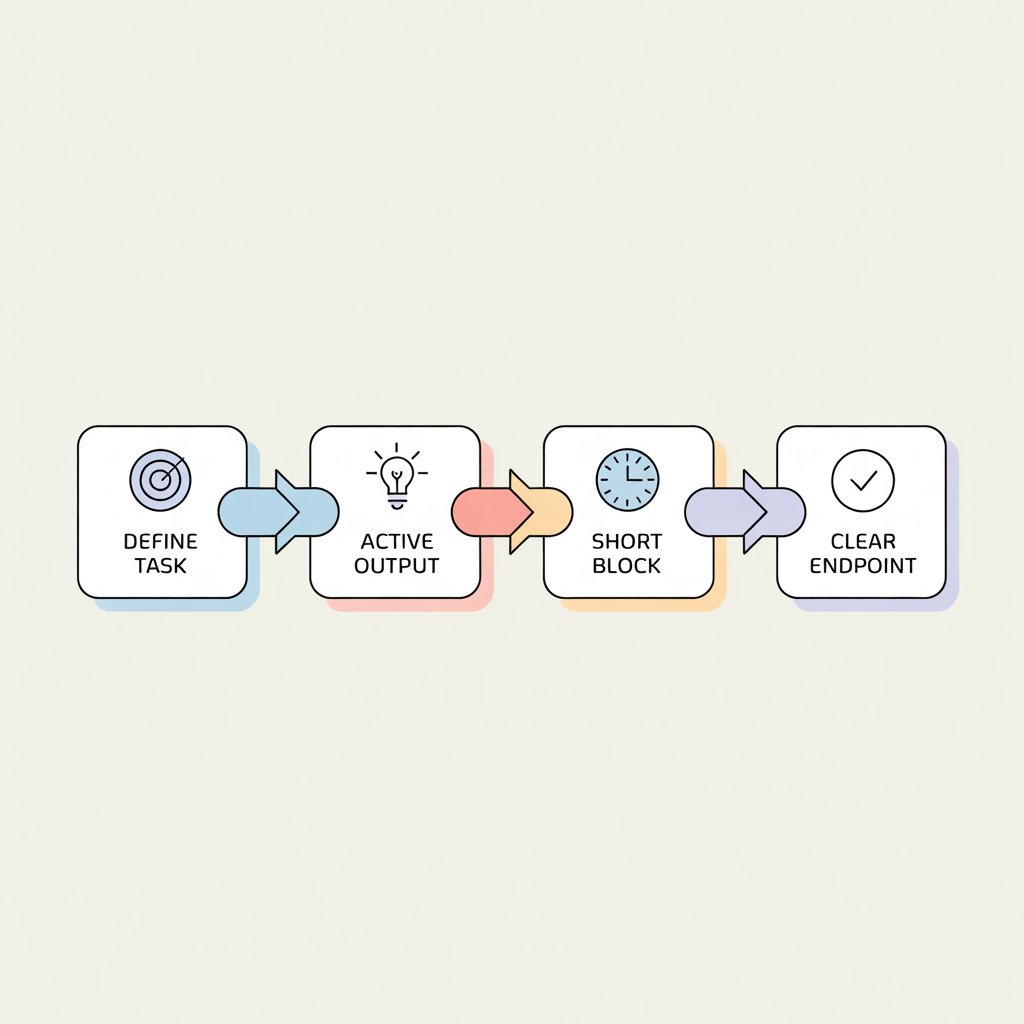
Restoring concentration requires changing how study tasks are structured. These fixes address the causes of attention breakdown directly. Each method increases cognitive engagement and makes focus easier to maintain.
Define One Clear Task Per Session
Turn content into a specific outcome before starting. Instead of “study chapter 3,” use “write five questions about enzyme function” or “explain photosynthesis steps without looking at notes.” This gives the brain a concrete target.
Clear tasks direct attention. The mind knows what to work on and when the task is complete. Vague goals allow drifting. Specific goals create focus by defining what success looks like. Each study session should have one primary task that can be completed and verified.
Replace Passive Reading With Active Output
Stop rereading and start producing. Write questions about the material. Explain concepts without looking at notes. Solve problems from memory and check your answers afterward. These methods force active thinking.
Active output requires full attention. The brain cannot produce explanations or solve problems while drifting. When the task demands retrieval and construction, concentration increases automatically. Passive reading allows the mind to wander because it requires no cognitive effort.
A practical breakdown of these methods is covered in how to remember what you study without re-reading, which focuses on recall instead of repetition.
Reduce Cognitive Load Before You Start
Break material into small units before studying. Do not attempt to process an entire chapter in one session. Divide the content into manageable sections. Prepare questions or outlines in advance so the study session has clear boundaries.
Reducing load before starting prevents overload during the session. When the material is already organized, the brain can focus on learning instead of sorting. This preparation makes concentration easier because the cognitive demand stays within capacity.
Study in Short, Controlled Blocks
Long sessions fail because attention naturally declines over time. Use short study blocks with specific tasks. Twenty-five or thirty minutes of focused work produces better results than two hours of drifting attention.
Limited time increases attention. When the session is short, the brain knows it must concentrate now. When the session is long, the brain postpones focus because there seems to be unlimited time. Controlled blocks force immediate engagement.
Remove Internal, Not Just External, Distractions
External distractions like phones are easy to identify. Internal distractions are harder to notice but more damaging. Wandering thoughts happen when the study task does not anchor attention.
Use written prompts to keep thinking on track. Before starting, write the specific question or problem you are solving. When your mind drifts, the written prompt brings focus back. Internal distractions decrease when the task has a clear, visible target.
What to Use Instead of Common Focus-Killing Methods
Students often use methods that feel productive but destroy concentration. Replacing these methods with alternatives that require active thinking restores focus naturally.
Rereading vs Retrieval Practice
Rereading feels focused because the student is looking at the material. But the brain processes almost nothing. Eyes move across the page while attention stays shallow. Retrieval practice forces the brain to reconstruct information from memory. This demands full attention because the answer is not visible. Retrieval builds focus because it cannot be done passively.
Highlighting vs Concept Mapping
Highlighting stays shallow. The student marks text but does not process relationships or structure. Concept mapping forces the brain to organize information visually. It requires decisions about what connects to what. Mapping builds focus because it demands active construction and cannot be done while thinking about something else.
Long Sessions vs Structured Study Cycles
Time-based studying measures effort, not learning. The student studies for two hours but produces nothing. Task-based studying defines what to complete. The session ends when the task is finished, not when time runs out. Study cycles maintain focus because each block has a clear purpose and endpoint.
What to stop doing, what to start doing, and next steps
Stop studying without a defined outcome. Stop opening your notes with no clear task. Stop measuring focus by time spent. Stop believing that rereading and highlighting count as real study.
Start studying with clear questions. Start each session knowing exactly what you need to produce. Start using output-based methods that require thinking. Start breaking material into small units before you begin.
Your next step is to redesign your next study session using one fix from this article. Choose one method. Apply it to one task. Test whether focus improves when the task structure changes.